
Enhancing Your Pole Building: Finishing Tips
Updated: May 6
Building a Pole Structure: A Comprehensive Guide to Finishing Touches
Building a pole structure is a smart and cost-effective way to create a versatile space. Whether you use it for storage, a workshop, or even a living area, the finishing touches can make all the difference. Proper finishing not only improves the appearance but also increases durability and functionality. This guide will walk you through practical tips to enhance your pole building, ensuring it looks great and stands the test of time.
Choosing the Right Interior Walls for Your Pole Building
One of the first steps in finishing your pole building is deciding on the interior walls. The walls can transform the space from a simple shell into a comfortable and usable area. Here are some popular options:
Drywall: Offers a clean, smooth finish and can be painted any color. It’s ideal for workshops or living spaces.
Plywood or OSB (Oriented Strand Board): Durable and cost-effective, perfect for garages or storage areas.
Metal Panels: Matches the exterior and is easy to clean, suitable for barns or industrial uses.
Insulated Panels: Help regulate temperature and improve energy efficiency.
When installing walls, make sure to properly frame the interior with studs between the poles. This will provide a solid base for attaching wall materials and allow for insulation installation.
Tips for Wall Finishing
Use moisture-resistant drywall in areas prone to humidity.
Seal gaps and joints with caulk or foam to prevent drafts.
Consider adding a vapor barrier if you live in a humid climate.
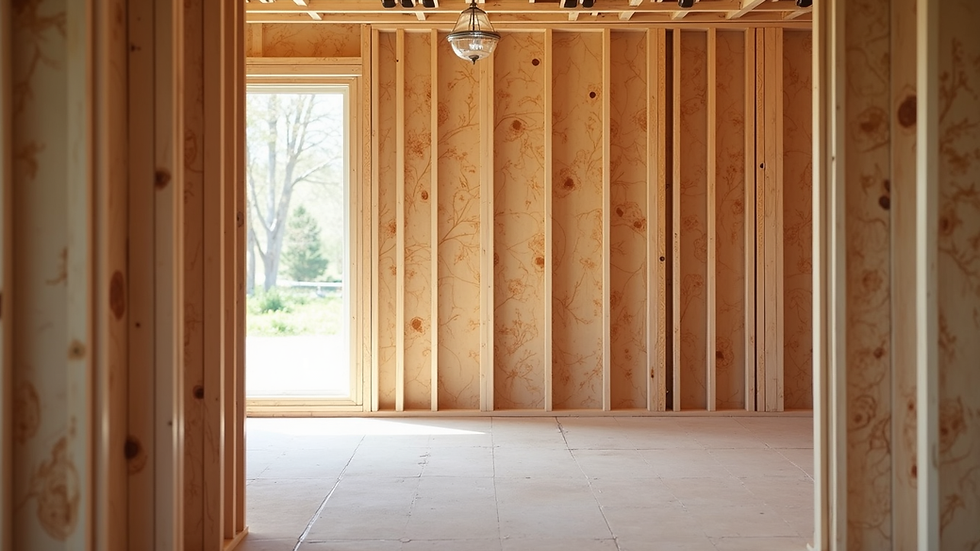
Interior wall framing with insulation installed
Flooring Options to Suit Your Needs
The floor is a critical part of your pole building’s finishing. The right flooring can improve comfort, safety, and aesthetics. Here are some flooring ideas:
Concrete Slab: Durable and easy to clean, concrete is a common choice. You can add epoxy coatings for a polished look.
Wood Flooring: Adds warmth and is suitable for living spaces or offices.
Rubber Mats or Tiles: Great for gyms or workshops where cushioning is needed.
Gravel or Dirt: Acceptable for storage or agricultural buildings but less finished.
Before installing flooring, ensure the ground is properly leveled and compacted. For concrete, consider adding a vapor barrier underneath to prevent moisture issues.
Flooring Installation Tips
Use expansion joints in large concrete slabs to prevent cracking.
Seal wood floors to protect against moisture and wear.
Choose slip-resistant coatings for safety in work areas.

Polished concrete floor with epoxy coating
Enhancing Lighting and Electrical Systems
Good lighting and electrical systems are essential for making your pole building functional and comfortable. Plan your electrical layout early to avoid costly changes later.
Lighting: Use a combination of overhead LED lights and task lighting. Skylights or windows can add natural light.
Electrical Outlets: Place outlets strategically for tools, appliances, and electronics.
Heating and Cooling: Consider installing HVAC systems or ceiling fans to regulate temperature.
When wiring your building, always follow local electrical codes and hire a licensed electrician if you are not experienced.
Electrical System Tips
Install GFCI outlets in areas exposed to moisture.
Use weatherproof fixtures for outdoor or semi-outdoor spaces.
Plan for future expansion by adding extra conduits or wiring.
Insulation and Ventilation for Comfort and Efficiency
Proper insulation and ventilation are key to making your pole building comfortable year-round. Insulation helps maintain temperature, while ventilation prevents moisture buildup and improves air quality.
Insulation Types: Fiberglass batts, spray foam, and rigid foam boards are common choices.
Ventilation: Ridge vents, soffit vents, and exhaust fans help circulate air.
Sealing: Seal all gaps around doors, windows, and poles to prevent drafts.
Insulating the roof and walls will reduce heating and cooling costs. Ventilation is especially important in humid or hot climates to avoid mold and mildew.
Insulation and Ventilation Tips
Use a radiant barrier in the roof to reflect heat.
Install vents at both high and low points for effective airflow.
Check for moisture issues regularly and address them promptly.
Adding Doors and Windows for Accessibility and Style
Doors and windows are not just functional elements; they also add character to your pole building. Choosing the right types can improve security, natural light, and ventilation.
Doors: Sliding barn doors, overhead garage doors, or standard entry doors are popular options.
Windows: Fixed, sliding, or awning windows can be installed depending on your needs.
Placement: Position windows to maximize daylight and cross-ventilation.
Make sure doors and windows are properly sealed and weather-stripped to improve energy efficiency.
Door and Window Installation Tips
Use tempered or double-pane glass for durability and insulation.
Consider adding shutters or awnings for sun protection.
Install locks and security features for safety.
Final Touches: Painting and Exterior Enhancements
The finishing touches can elevate the look of your pole building and protect it from the elements. Painting or staining the exterior adds color and helps prevent weather damage.
Paint: Choose high-quality exterior paint designed for metal or wood surfaces.
Trim and Gutters: Add trim around doors and windows for a polished look. Gutters help manage rainwater.
Landscaping: Plant shrubs or install walkways to improve curb appeal.
Regular maintenance, such as repainting and cleaning gutters, will keep your building looking great for years.
Conclusion: Creating a Functional and Attractive Space
Enhancing your pole building with these finishing tips will create a space that is both functional and attractive. From interior walls to exterior details, each step adds value and comfort. For more detailed guidance on pole building finishing, explore resources that can help you plan and execute your project with confidence.


Comments